On The Land and Water
INDIGENOUS STEWARDSHIP, LIVELIHOODS, AND WELLBEING
On The Land and Water
INDIGENOUS STEWARDSHIP,
LIVELIHOODS, AND WELLBEING
June 1-4, 2027
Kjipuktuk, Mi'kma'ki / Halifax, Canada
A four-day international gathering rooted in relationship, dialogue, stewardship, and Indigenous-led learning on the land and water.
WELCOME
Welcome to On the Land and Water, an Indigenous-led international conference bringing together Indigenous Peoples, community leaders, Knowledge Holders, Elders, youth, researchers, practitioners, students, and organizations from around the world.
Together, we will explore how relationships with and among lands, waters, cultures, and communities shape stewardship, livelihoods and wellbeing. Across four days, participants will exchange knowledge, share stories, strengthen relationships, and learn through conference sessions and experiences on the land in Mi’kma’ki.
A CONFERENCE ROOTED IN RELATIONSHIPS
Hosted in Mi’kma’ki, the On the Land and Water conference recognizes Indigenous Peoples’ knowledge as created and carried through relationships with lands, waters, communities, cultures, and one another.
The conference will make room not only for presentations, but also for dialogue, reciprocity, storytelling, reflection, and shared experience. It will be a welcoming gathering, where many forms of knowledge and contribution are valued, and where participants can connect across communities, disciplines, generations, and geographies.
Who Should Attend?
This gathering welcomes people who are sharing their own work, supporting Indigenous-led initiatives, or coming to listen and learn, including:
Indigenous community members, leaders, Knowledge Holders, and EldersYouth and students, researchers and educatorsAnyone committed to Indigenous-led stewardship, livelihoods, and wellbeingPractitioners and policymakersEnvironmental, conservation and community development organizationsCommunity partners and fundersWhether you are joining us to share, listen, connect, or collaborate, you are warmly invited.
The Experience
Inspiring Voices
Hear from Indigenous leaders, Knowledge Holders, community practitioners, researchers, youth, and partners working across diverse Nations and territories around the world.
Interactive Sessions
Take part in workshops, dialogue circles, panels, presentations, and collaborative conversations through out the day that are designed to encourage exchange rather than one-way learning.
A Day on the Land
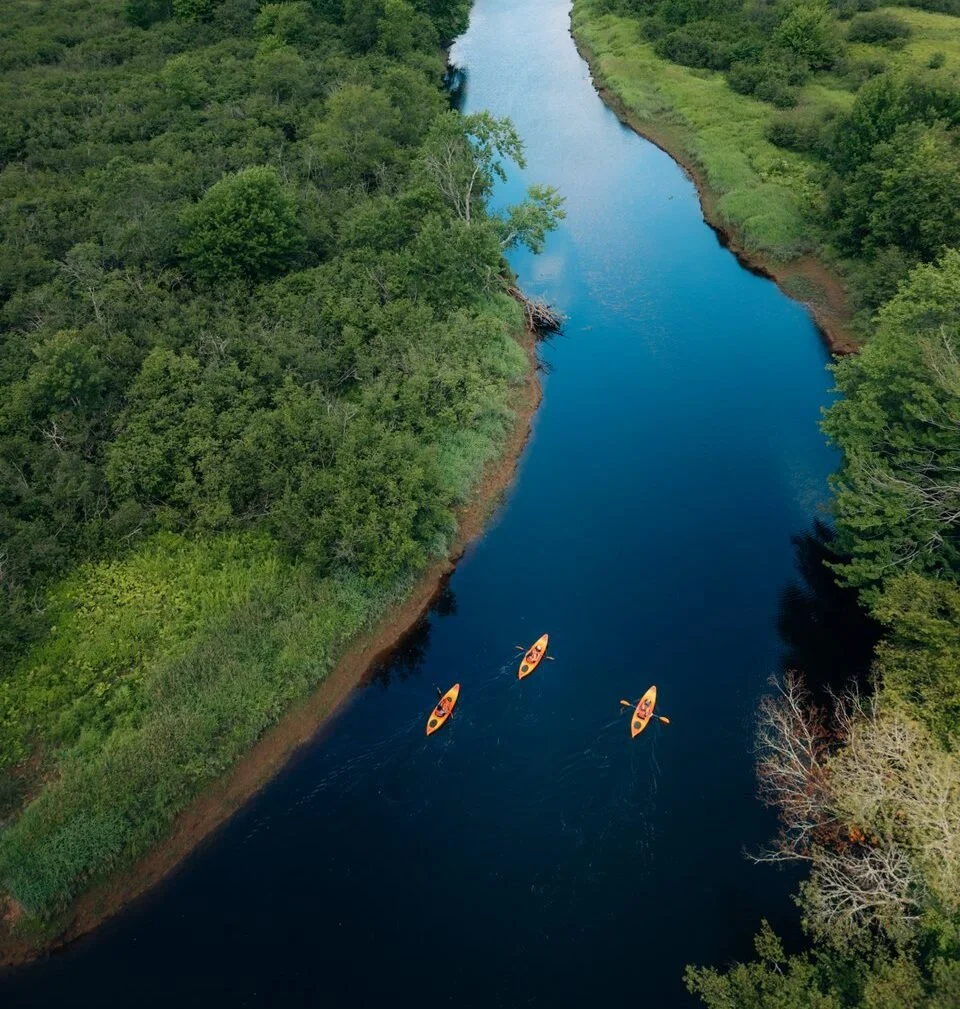
Spend a full day learning with Mi’kmaq Knowledge Holders, Elders, and local hosts through experiences on the land and water. On the land activities may include storytelling, ceremony, guided learning, cultural activities, and shared meals.
Relationships That Last
Meet participants from Indigenous communities, organizations, and institutions across Canada and around the world. The program will include time to connect, reflect, and begin conversations that can carry forward beyond the conference.
WHY THIS GATHERING?
The On the Land and Water conference is being organized by several thematic pathways of the Ărramăt Project , an Indigenous-led international research partnership exploring the connections among biodiversity, Indigenous wellbeing, and self-determination. This gathering grew from conversations with Indigenous-led place-based project (ILPBPs) across the Ărramăt network. In many different ways, ILPPs and partners expressed a shared interest –and a clear need– to connect with other projects and communities around the world. They called for a space where people could exchange knowledge and experiences, learn from one another, and explore the opportunities and challenges emerging through their work.
On the Land and Water responds to that call. It creates an opportunity to share, listen, and build relationships that reach beyond individual projects, strengthening connections that can continue long after the gathering ends.
THEMES
Eight interconnected themes will guide conversations across the conference:
-
Indigenous responsibilities, teachings, identities, and relationships that connect people with land, water, place, living beings, and one another—shaping belonging, wellbeing, and how we care for the places that sustain life. Indigenous Rights, Access & Indigenous Self-Determination and Governance including access to Lands and Waters.
-
Community-led care for lands, waters, ecosystems, and culturally important species, including guardianship, sustainable and regenerative practices, harvesting, traditional food systems, and the cultural continuity sustained through food and relationship.
-
Restoring respectful and reciprocal relationships with land and water, addressing colonial and ecological harms, and supporting sacredness, cultural renewal, healing, and the regeneration of communities and ecosystems.
-
Livelihoods and economic systems grounded in culture, community priorities, land- and water-based practices, local and regenerative economies, and long-term social, ecological, and community wellbeing.
-
Indigenous approaches to medicine, health, healing, and living well that recognize the relationships among people, culture, spirit, community, land, water, and healthy ecosystems.
-
The living systems through which knowledge, language, teachings, stories, practices, and cultural expression are shared, renewed, and carried across generations through Elders, youth, families, communities, and land-based learning.
-
Advancing environmental, social, gender, and intergenerational justice by addressing inequity, displacement, conflict, climate change, and barriers to participation, while building systems and futures shaped by Indigenous priorities, rights, and collective wellbeing.